A Spark in D.C. Lights Up American Robotics
Amid the buzz of policymakers and tech execs at the SCSP AI+ Expo in Washington, D.C., a fresh alliance burst onto the scene. Robots for America (RFA) launched as a powerhouse coalition, pulling in leaders from robotics startups, manufacturing behemoths, and policy wonks. Their mission? To supercharge automation across U.S. factories and warehouses, tackling labor shortages and shaky supply chains head-on. As Robotics247.com spotlighted in its lead story, this move comes just as China races ahead in deploying robots at scale. RFA isn't just talk—it's pushing for reforms to close the gap between cutting-edge tech and everyday use, especially with AI weaving into machines that think and act on their own.
This debut couldn't be timelier. With industries crying out for efficiency, RFA aims to dismantle roadblocks holding back American automation. Think about Amazon's playbook: since snapping up Kiva Systems in 2012, they've rolled out over a million robots, transforming warehouses into high-speed hubs. Yet, as Interact Analysis points out via Robotics247.com, flashy humanoid bots are still mostly hype, with real traction not expected until the 2030s. That tension—between proven, wheeled workhorses and the promise of walking, adaptable machines—captures the robotics world right now. It's a race where the U.S. needs to pick up speed, or risk getting left in the dust.
Pioneers Pushing Autonomous Boundaries
Brain Corp, born in San Diego back in 2009 by neuroscientist Dr. Eugene Izhikevich and Dr. Allen Gruber, started as a research arm for Qualcomm and DARPA. Now, it's a leader in AI platforms that let robots navigate chaos with ease. Their tech uses computer vision to map spaces on the fly, dodge obstacles, and adjust to shifting environments—much like those early DARPA trials for self-driving vehicles. Backed by SoftBank Vision Fund and Qualcomm Ventures, Brain Corp's software powers everything from floor scrubbers in stores to inventory scanners in vast warehouses, as detailed on Robotics247.com.
Then there's iRobot, founded in 1990 by MIT whizzes, which kicked off with consumer vacuums but now tackles industrial chores. Their strength lies in tough sensors that handle real-world messiness, evolving from basic bump detectors in early Roombas to LiDAR for precise 3D mapping—hitting 90% coverage in cluttered spots. Universal Robots takes a different tack with collaborative arms built for safe teamwork with humans, boasting payloads up to 16 kg and pinpoint accuracy of ±0.03 mm. These bots skip the bulky safety cages of old-school robots, using force-sensing tools for delicate tasks. And Dematic rounds out the pack with logistics wizardry, optimizing flows from docks to shipping with software that racks up $1.3 billion in business through a network of over 4,000 pros, per Robotics247.com reports.
Brain Corp's systems crunch visual data to move at 1-2 meters per second with error rates under 5% in busy settings. Compare that to Universal Robots' repeatable precision, or iRobot's leap from simple sensors to full mapping. Dematic's automated guided vehicles nail navigation within ±10 mm, handling 100-500 pallets an hour—scalable muscle for high-stakes warehouses.
Amazon's Robot Army Redefines Scale
Amazon flipped the script in 2012 by buying Kiva Systems, building a robotics empire with over a million units now humming in their facilities, according to AboutAmazon news. Take the Sequoia system: it sorts inventory at blistering speeds over 1,000 items per hour, slashing worker footsteps by 75%. Drive units haul heavy pods, while robotic arms with grippers manage everything from feather-light packages to 5-kg loads. AI keeps things running smooth, predicting breakdowns to keep downtime below 2% a year.
Stack that against Dematic's broader playbook. Amazon hones proprietary tech for its e-commerce juggernaut, but Dematic delivers customizable setups for any industry, with vehicles boasting 8-12 hour battery life and machine learning that nails 99% inventory accuracy. Amazon's arms echo Universal Robots' sensitivity with force-torque sensors, optimized for non-stop shifts. The numbers tell the story: Amazon's fleet, including 520,000 drive units, has shaved 25% off fulfillment times and cut repetitive tasks by 30-50%. Dematic counters with 20-40% efficiency jumps in optimized warehouses. All this data—billions of hours logged—fuels AI that sharpens paths and avoids crashes at up to 1.5 meters per second.
Alliances Rallying for Real Change
The Association for Advancing Automation (A3) turns tech breakthroughs into action, with nearly 1,100 members from builders to brainiacs. They host must-attend events like the Automate Show in Detroit last May and the A3 Business Forum in Orlando earlier that year, hashing out standards for robots that play nice together, as covered on Robotics247.com. These forums tackle thorny issues, like regulatory red tape for AI safety that can stall launches by six months or more.
RFA amps up that energy, debuting at the AI+ Expo to lobby for incentives that boost robotics investments—think tax breaks akin to those for green energy. Partnering with A3, they're eyeing ways to fill 2-3 million open manufacturing jobs through automation, potentially speeding adoption by 15-20% in the next decade. It's about making the U.S. a contender again, especially as global rivals pull ahead.
Humanoids: Promise or Pipe Dream?
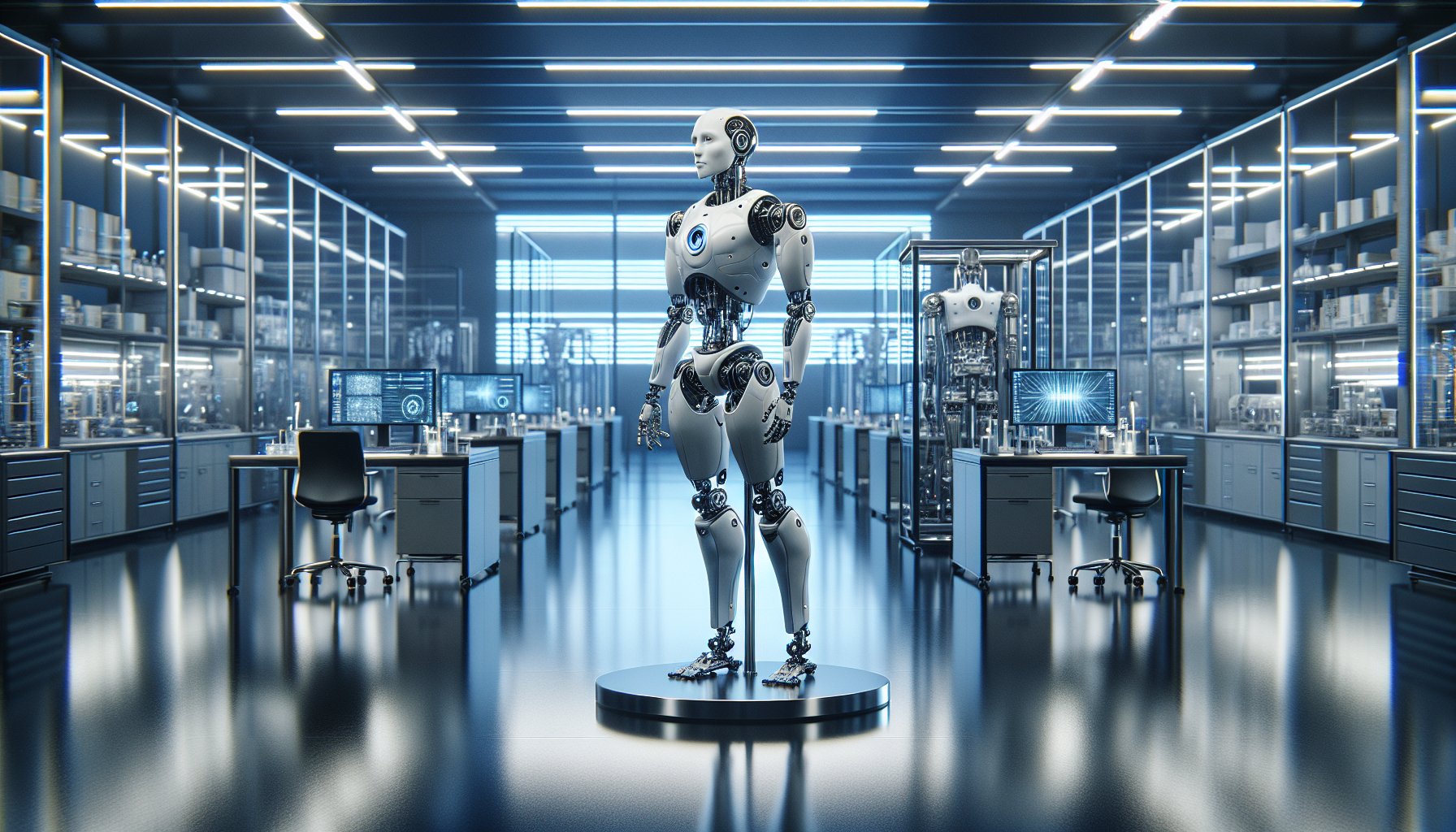
Humanoid robots are pegged as a hot market for motion tech by Interact Analysis on Robotics247.com, but they're barely scratching the surface in real use today. These bots need beefy actuators delivering 50-200 Nm of torque per joint and fused sensors for steady walking, with costs expected to dip under $50,000 by the 2030s. Unlike Amazon's wheel-based fleets, humanoids could tackle rough ground at 0.5-1 meter per second, packing 20-40 degrees of freedom and sipping 1-2 kW of power.
Projections are bold: a 30-40% annual growth rate for components by 2035, fueled by AI smarts in balance and self-awareness. But challenges loom—batteries last just 2-4 hours, far short of logistics bots' endurance. NVIDIA's simulation tools hint at a breakthrough, training these machines virtually before they step into the world. Still, without rapid cost drops, that boom could fizzle.
Policy Must Fuel the Robotics Surge
Don't write off RFA as mere lobbyists; with labor woes mounting, they're key to plugging America's automation hole. Amazon's million-bot feat shows what's possible at scale, but smaller outfits need policy wins to join in, or they'll get crushed. Humanoids? Those rosy forecasts from Interact Analysis ring hollow if prices don't crash—without that, the U.S. cedes ground to foreign leaders. RFA should champion fast-track approvals for robot safety, much like streamlined FDA processes, to ignite this era. Skip the concrete plans, and the 2030s vision evaporates.
Coalitions like RFA and A3, teamed with trailblazers from Brain Corp to Amazon, are forging a vibrant scene. But holes remain: RFA's policies are still fuzzy, and humanoids trail in basics like battery life. Shows like Automate will spotlight progress, yet the true test is how fast we deploy. U.S. robotics has to lead, not just expand, to lock down supply chains. As AI ramps up, global logistics automation could top $500 billion by 2030. The fuse is lit—smart execution will decide if it explodes into dominance or fizzles out.